
Common Surprises
Building in Wasatch County is different from building in the valley. These are the things that catch people off guard, why they happen here, and what we do about them.
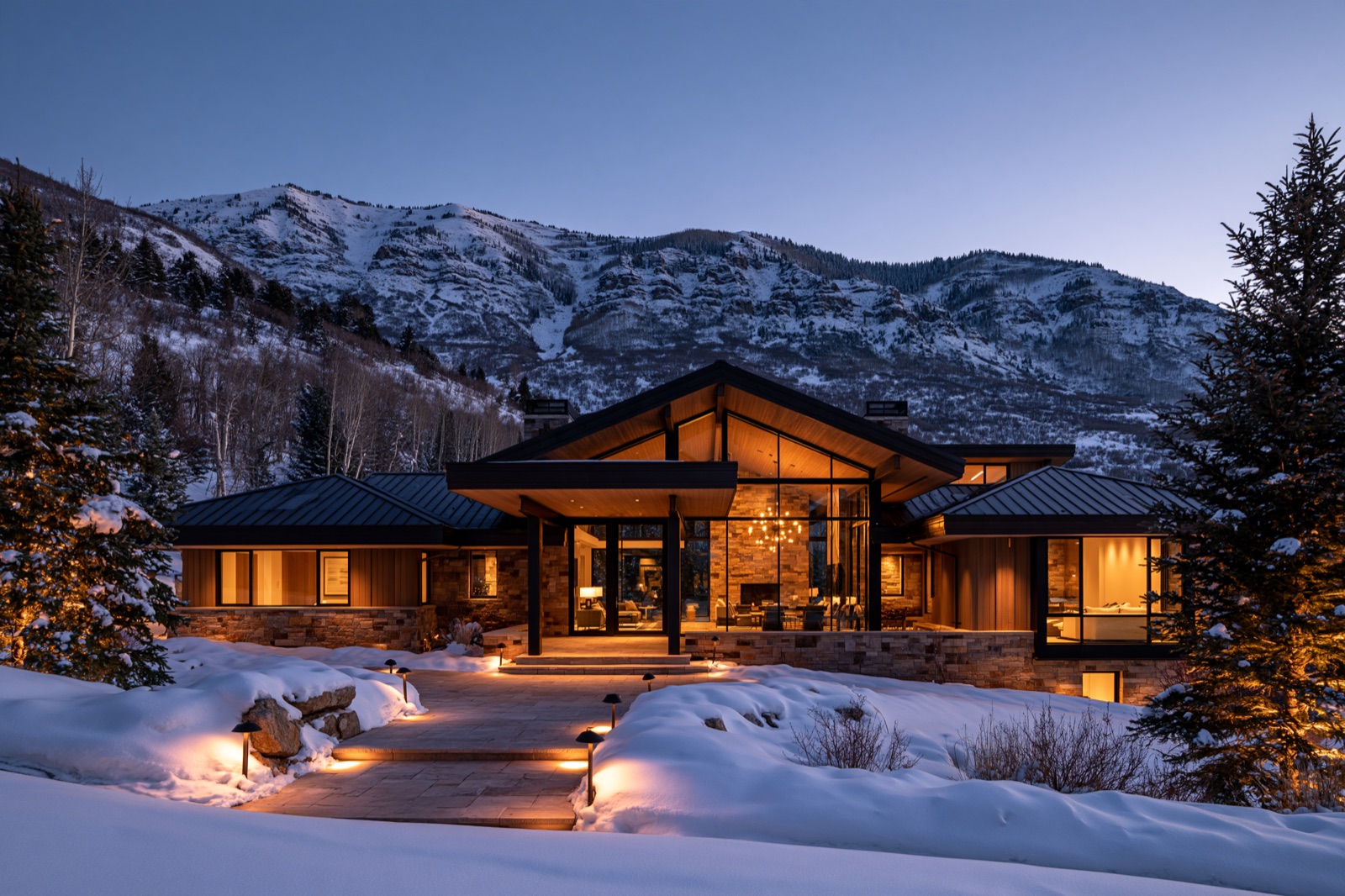
Every build has a few moments where the plan meets reality. On the Wasatch Back those moments have a pattern to them: the weather, the ground, the water, and the number of different offices that have a say in your house. None of them are reasons not to build here. All of them are reasons to build with someone who has already been through them. Here is what I tell every client before we start.
Two inspectors, two opinions
What happened. On one of our builds the county sent one inspector out for the four-way inspection. He walked the house and gave us a list of corrections. We made every one of them. When we called for the re-inspection, a different inspector came out. He had a different opinion about what should have been done, wrote up a different set of corrections, and did not agree with the first list. The two of them ended up arguing with each other over our house, and the build sat still while they did.
Why it happens here. Smaller building departments rotate inspectors, and the code leaves room for judgment on things like strapping, blocking, and fire separation. Two experienced people can read the same wall differently, and the homeowner is the one paying for the difference.
What we do about it. Every correction goes on paper with the inspector's name and the code section, not just a verbal list on site. Before the re-inspection, we ask for the same inspector by name. If a second inspector contradicts the first, we stop, take photos, and ask for a meeting with the building official rather than tearing out work twice. It costs a week. Redoing a wall for the second time costs a lot more.
The season closes
What happens. A lot goes under contract in August, the plans take until November, and the excavator shows up to frozen ground and two feet of snow. Concrete needs heat and blankets, the driveway has to be plowed to get a truck in, and framing under a tarp costs more and goes slower.
Why it happens here. At 5,500 feet and up, the reliable digging and pouring season is roughly May through October. Everything else is possible, it is just more expensive and less predictable.
What we do about it. We build the calendar backward from the season. If the foundation cannot be in before the ground freezes, we use the winter for design, engineering, permits, and ordering, and we break ground the week the frost is out. A house that starts in May and a house that starts in November can finish the same month.
What is under the lot
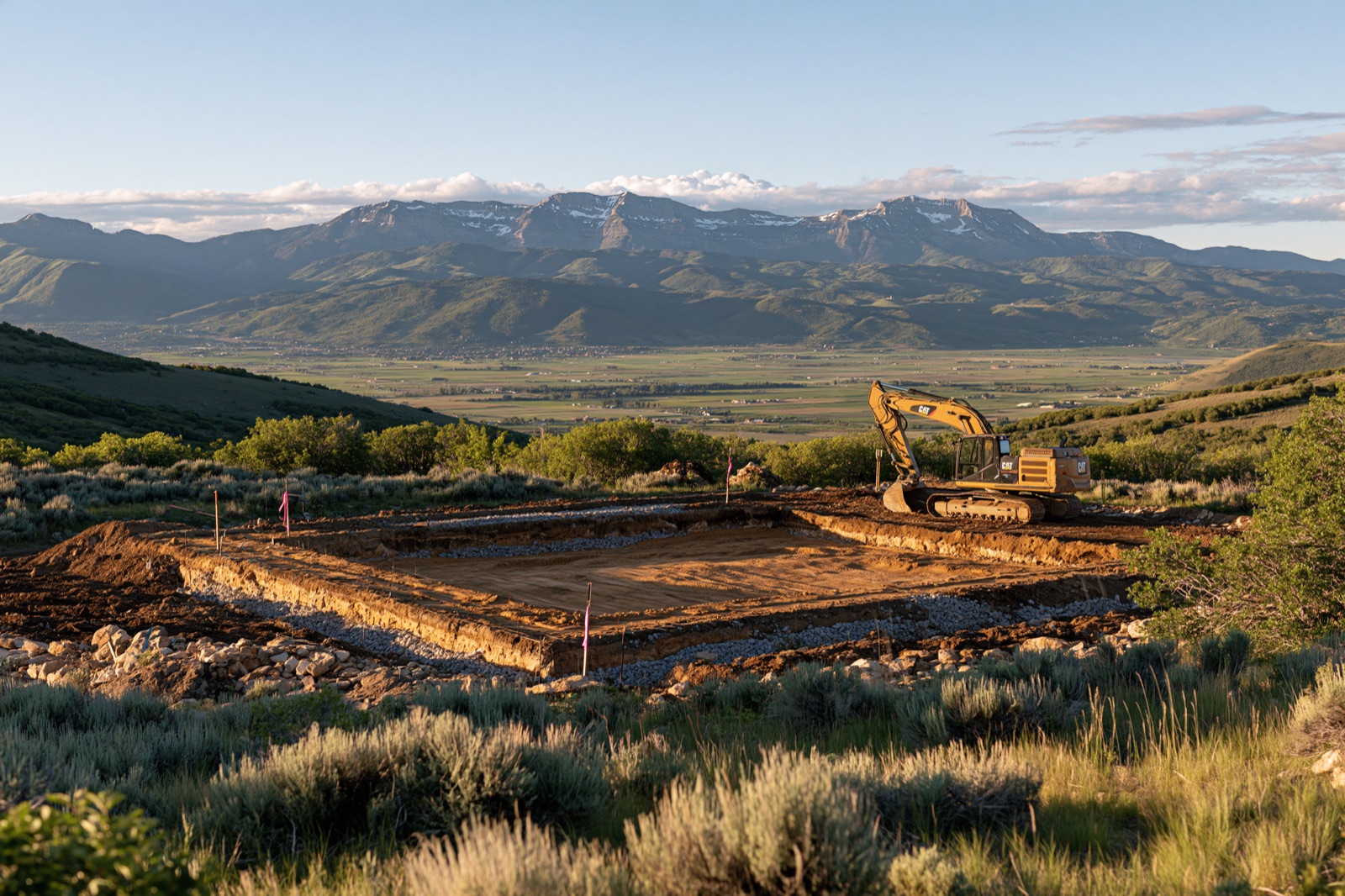
What happens. The excavation hits ledge rock, or the hole fills with groundwater, or the soils report calls for over-excavation and imported fill. The dig that was bid at a week takes three, and the hourly hammer or the dewatering pump is on your bill.
Why it happens here. The Wasatch Back is mountain ground. Rock is shallow on the benches, water is high in the valley bottoms, and the clay in between swells when it is wet. It is not a defect in the lot. It is the lot.
What we do about it. A soils report before you close, every time, even when the seller says the neighbor did not need one. The report tells the engineer how to design the foundation and tells me how to bid the excavation. When the report shows rock, we carry a rock allowance in the budget so the hours are planned for instead of discovered.
Water takes longer than the house
What happens. The plans are done, the permit is ready, and the city cannot issue it because the lot does not have a water connection yet, or you need to buy water shares first, or the well driller is booked into next season.
Why it happens here. Water is the limiting resource in every Wasatch County town. Cities and service districts control connections tightly, some require you to bring water rights with you, and outside the service areas a well is the only option.
What we do about it. A will-serve letter from the water provider is the first thing we ask for, before design starts. If the answer is a well, the driller gets scheduled the same week the architect does.
Two approvals that do not agree
What happens. The homeowners association design review committee approves a roof material, a driveway alignment, or a setback, and then the county or the fire district requires something different. Each office is right by its own rules, and the plans go back to the architect to satisfy both.
Why it happens here. Most lots on the Wasatch Back sit inside a planned community and inside a city or county at the same time, and the fire district has its own say on driveway grade, turnarounds, and hydrant distance. That is three reviewers, and they do not talk to each other.
What we do about it. We read all three sets of rules before the first drawing and design to the strictest one. When they conflict, we get the fire district's requirements in writing first, because life safety wins every argument, and take that letter to the committee.
The driveway is a fire lane
What happens. A long, steep, or narrow driveway that looks fine to the owner gets flagged by the fire district. They require a turnaround, a maximum grade, a minimum width, or a fire sprinkler system in the house because a truck cannot reach it.
Why it happens here. Hillside lots and large parcels mean long driveways, and the district has to be able to get an engine to the house in a snowstorm.
What we do about it. The driveway is designed with the fire district's standards on the table before the site plan is drawn, and the sprinkler question is answered on paper so it is a known cost instead of a surprise at permit.
The power is at the street, not at the house
What happens. The lot listing says "power available." It is, three hundred feet away, and the transformer on that pole is already full. The utility quotes a line extension and a new transformer, and their crew is scheduled months out.
Why it happens here. Rural and hillside parcels were platted long before anyone planned for the loads a modern home draws, and the utilities on the Wasatch Back are busy.
What we do about it. The utility application goes in the same week as the building permit, and we get the extension quote before the budget is final. Temporary power goes in early so the crew is never waiting on the meter.
Lead times run the schedule
What happens. Framing is done and the house sits for six weeks with openings covered in plastic, because the windows were ordered when the framing started instead of when the permit was issued. The same thing happens with trusses, custom cabinets, steel, and specialty doors.
Why it happens here. Custom homes use custom products, and everything ships up the canyon. Twelve-to-sixteen-week lead times are normal for the items that define the house.
What we do about it. The long-lead list is part of the pre-construction schedule, with an order date next to every item, and the selections that drive those orders are made before we break ground, not during framing.
Changing your mind after framing
What happens. The house is framed and you walk through it for the first time and realize the window in the main bedroom should be bigger. Moving it means a new header, a change to the engineering, a re-inspection, a new window order, and a schedule slip. The change order is larger than the window.
Why it happens here. It happens everywhere. It stings more here because the engineered snow loads mean a bigger opening is a real structural change, not a framer's afternoon.
What we do about it. We walk the plans room by room before engineering, with tape on the ground if we have to, so the decisions that are expensive to change later get made while they are still free. And when a change is worth it after framing, we price it in writing before anyone picks up a saw.
The pattern
Every one of these has the same fix: find it on paper before you find it in the ground. That is what the pre-construction phase is for, and it is why I would rather spend two extra months planning than two extra months waiting on a hillside in January. If you are looking at a lot and want to know which of these it is going to throw at you, that is a conversation I am glad to have before you buy it.